
African Wildcat
Read More
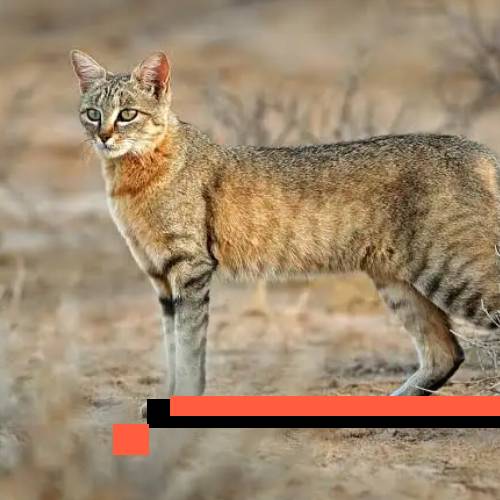
The African Wildcat inhabits savannas, grasslands, and semi-arid regions across South Africa. It measures 18–30 inches in body length with a 10–14 inch tail and weighs 5–15 pounds. Lean and muscular, it is the direct ancestor of the domestic cat but far more elusive.
Fun Facts:
Primarily nocturnal, it avoids human activity and is rarely seen during daylight.
Strong populations occur across Southern and East Africa’s open savannas.
Males maintain scent-marked territories overlapping multiple females.
It feeds mainly on rodents, birds, and small reptiles, making it an efficient predator.
Baboon
Read More
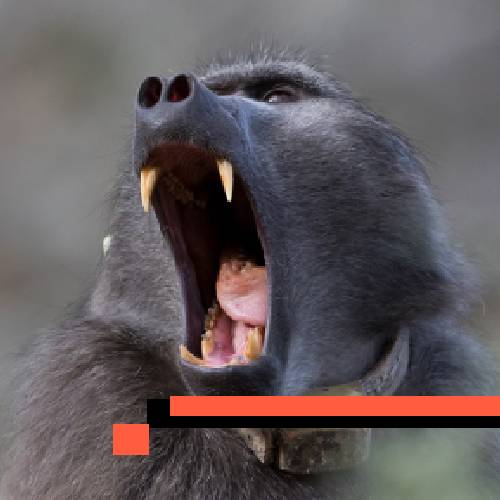
The Chacma Baboon occupies rocky outcrops, mountains, savannas, and woodland throughout South Africa. Adult males measure 2–3 feet in body length, weigh 50–100 pounds, and possess prominent canine teeth. Highly intelligent and adaptable, they thrive in both wild and semi-urban environments.
Fun Facts:
They live in structured troops governed by strict dominance hierarchies.
Southern Africa supports some of the largest stable populations.
Large dominant males can exceed 100 pounds.
They are opportunistic omnivores, feeding on fruits, roots, insects, and small animals.
Blesbuck (White)
Read More
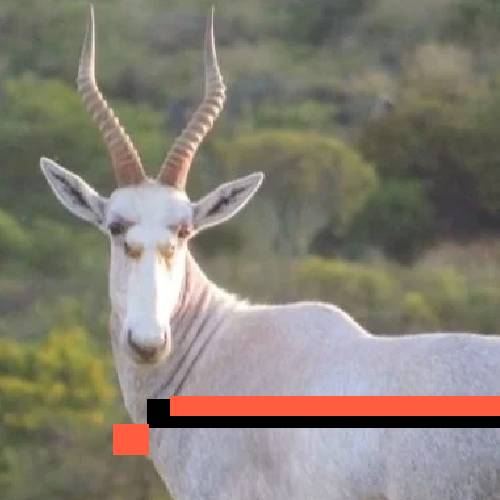
The White Blesbuck is a color variant of the common blesbuck, found primarily on managed private reserves. It stands about 3 feet at the shoulder and weighs 130–200 pounds. Its pale coat distinguishes it from the traditional dark brown coloration.
Fun Facts:
It is a selectively bred color variant rather than a separate species.
Populations are sustained through professional wildlife management.
Rams carry ringed horns typically measuring 16–18 inches.
It prefers open grasslands where visibility is high.
Blesbuck (Common)
Read More
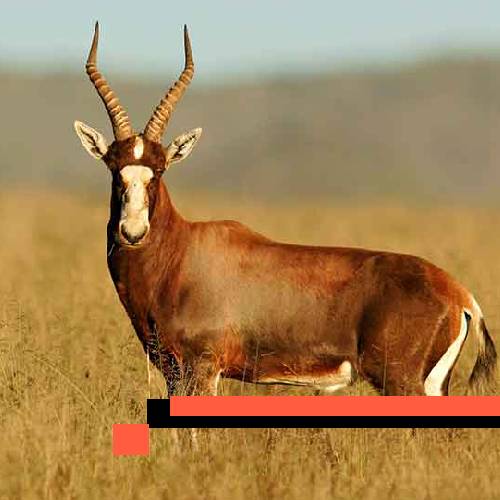
The Common Blesbuck inhabits open Highveld grasslands of South Africa. It stands approximately 3 feet at the shoulder and weighs 130–200 pounds. Recognized by its distinctive white facial blaze, it is a classic and popular plains game species.
Fun Facts:
Naturally endemic to South Africa’s central grasslands.
Rams develop thick, ringed horns averaging 14–18 inches.
They form herds that rely on open terrain for predator detection.
Breeding peaks before the rainy season for optimal grazing conditions.
Bushbuck
Read More
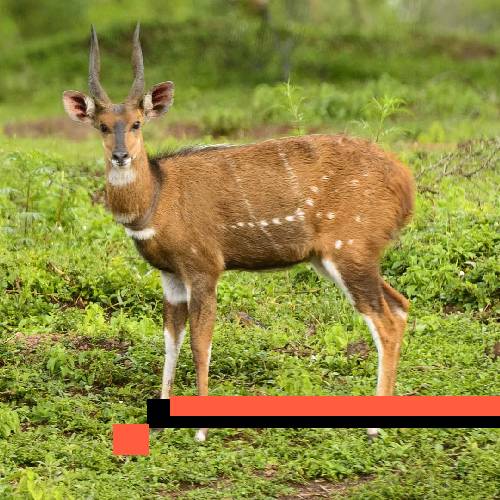
The Bushbuck inhabits dense riverine thickets and woodland across South Africa. Rams stand 2.5–3 feet at the shoulder and weigh 110–180 pounds. Their rich brown coats and sharply spiraled horns make them one of the most challenging and rewarding antelope species to pursue.
Fun Facts:
Solitary and highly cautious, mature rams prefer thick cover.
They are primarily browsers, feeding on leaves, shrubs, and shoots.
Horns can reach 10–16 inches with tight spiral formation.
They are most active during early morning and late afternoon.
Bushpig
Read More
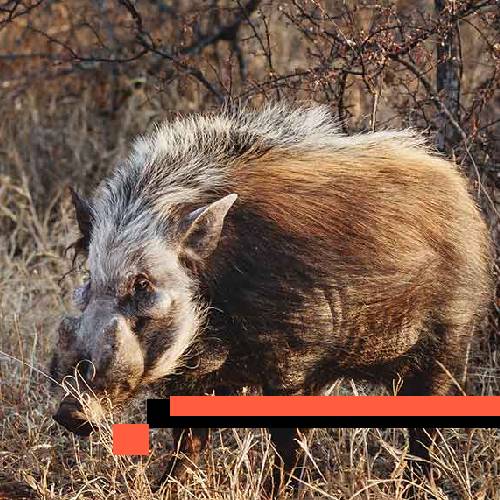
The Bushpig occupies dense bush, riverine vegetation, and forest edges. Adults measure 3–5 feet in body length and weigh 110–330 pounds. Powerfully built and predominantly nocturnal, they are known for their aggressive temperament when cornered.
Fun Facts:
Mostly active at night, making them a challenging species to hunt.
Boars carry sharp, curved tusks used for defense.
They live in small sounders led by a dominant female.
They feed on roots, crops, carrion, and small animals.
Caracal
Read More
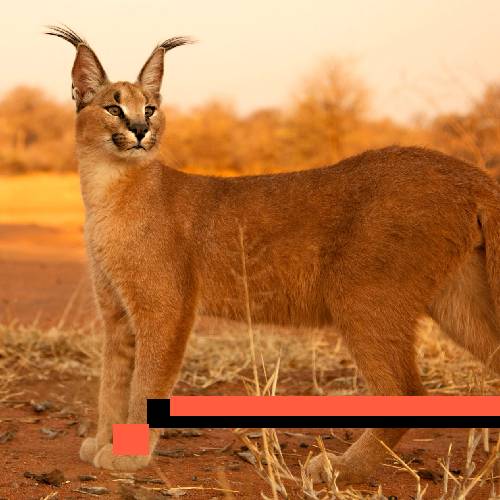
The Caracal is a powerful medium-sized wild cat found in savannas, semi-desert, and bushveld across South Africa. It stands about 16–20 inches at the shoulder, measures 2–3.5 feet in body length, and weighs between 15–40 pounds. It is recognized by its distinctive long black ear tufts.
Fun Facts:
Caracals are solitary, highly territorial predators known for their agility and stealth.
They are capable of leaping over 10 feet into the air to catch birds mid-flight.
The largest populations occur across Southern Africa’s arid and semi-arid regions.
Females typically give birth to two to three kittens after a gestation of about 2–3 months.
Common Duiker
Read More
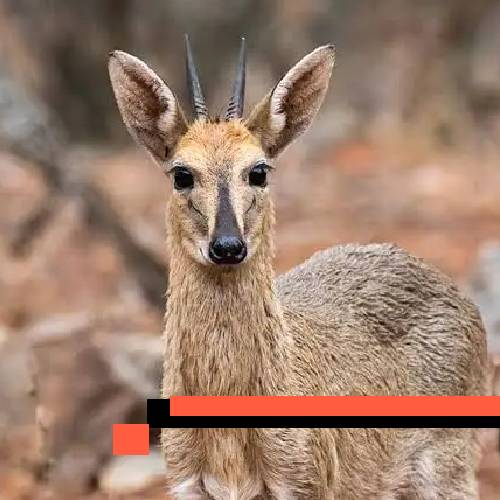
The Common Duiker is a small, adaptable antelope found in bushveld, woodland, and savanna. It stands 1.5–2 feet at the shoulder and weighs 25–50 pounds. Despite its size, it is resilient and widely distributed throughout Southern Africa.
Fun Facts:
Extremely shy and quick to disappear into cover.
Rams carry short, straight horns averaging 3–5 inches.
It is both a browser and opportunistic feeder.
It can survive in a wide range of habitats.
Crocodile
Read More
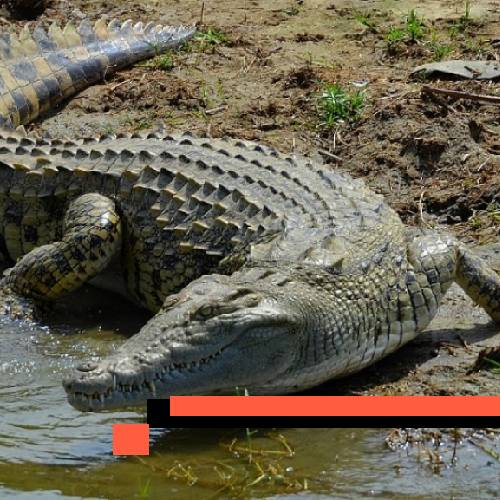
The Nile Crocodile inhabits rivers, dams, and wetlands throughout South Africa. Large males reach 14–16 feet in length and can exceed 1,500 pounds. As an apex aquatic predator, it is one of Africa’s most formidable dangerous game species.
Fun Facts:
Ambush predator with explosive short-distance speed.
Exceptional specimens have exceeded 18 feet in length.
Powerful jaws exert over 3,000 pounds of bite force.
Females guard nests and protect hatchlings aggressively.
Eland
Read More
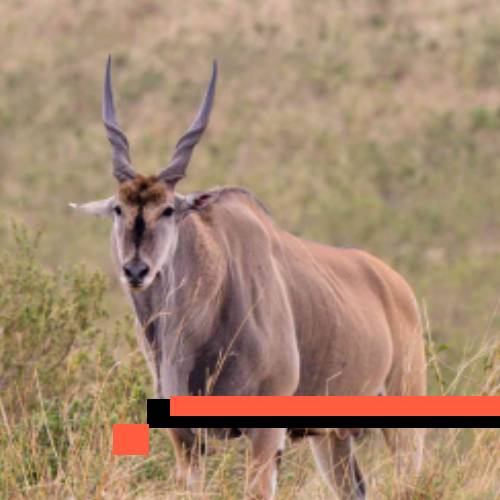
The Eland is Africa’s largest antelope, inhabiting savannas and open woodland. Mature bulls stand 5–6 feet at the shoulder and weigh 900–2,200 pounds. Despite their massive size, they are agile and capable of clearing high fences with ease.
Fun Facts:
Both males and females carry spiral horns.
Bulls develop a prominent dewlap and darker coloration with age.
They can jump over 6 feet from a standing position.
Gestation lasts approximately nine months.
Elephant
Read More
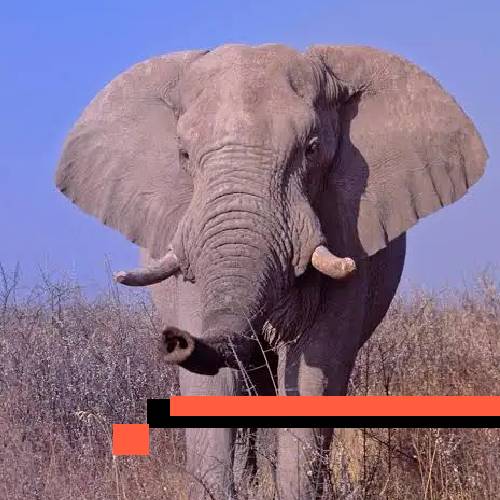
The African Elephant is the largest land mammal on earth. Bulls stand 10–13 feet at the shoulder and weigh 8,000–14,000 pounds. Classified as Endangered due to poaching and habitat loss, it remains the most iconic and physically imposing of Africa’s dangerous game.
Fun Facts:
Mature bulls often roam alone or in bachelor groups.
Southern Africa holds some of the largest remaining populations.
Exceptional tusks can exceed 200 pounds per pair.
Cows have a 22-month gestation period.
Gemsbuck
Read More
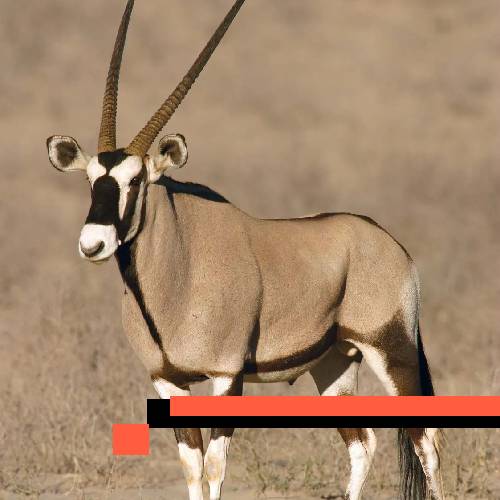
The Gemsbuck inhabits arid savannas and semi-desert regions. It stands 3.5–4 feet at the shoulder and weighs 400–600 pounds. Recognized by its striking facial markings and long, straight horns, it is one of Southern Africa’s most visually impressive plains game species.
Fun Facts:
Both sexes carry long, spear-like horns reaching 30–40 inches.
Highly adapted to dry environments with minimal water.
Known for resilience and endurance in harsh terrain.
Capable of defending itself effectively against predators.
Genet
Read More
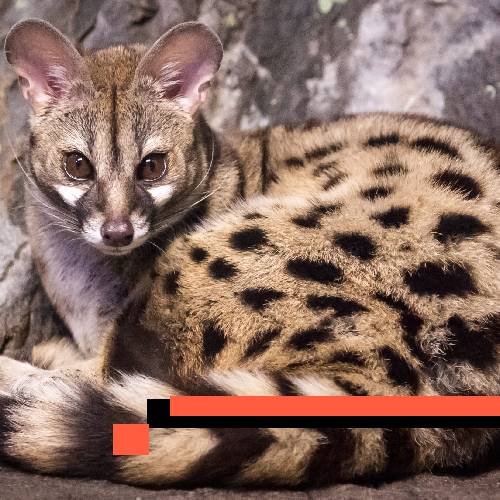
The Genet is a slender, nocturnal carnivore found in woodland, bushveld, and rocky areas. It measures 16–24 inches in body length with a tail of similar length and weighs 3–7 pounds. Though cat-like in appearance, it belongs to the Viverridae family.
Fun Facts:
Primarily nocturnal and highly agile climbers.
Feed on rodents, birds, insects, and small reptiles.
Solitary and territorial by nature.
Widespread across Southern Africa.
Giraffe
Read More
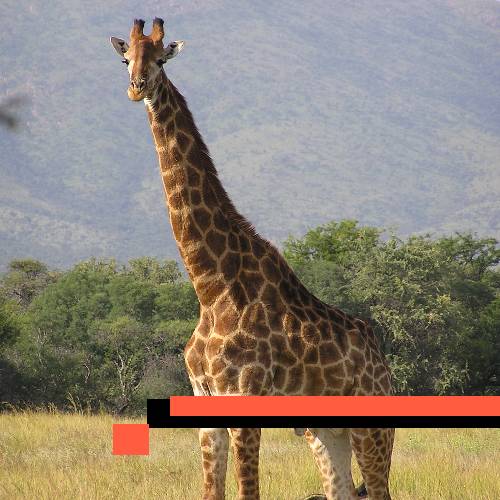
The Giraffe inhabits savannas and open woodland where acacia trees are abundant. Bulls stand 16–18 feet tall and weigh 2,600–4,200 pounds, making it the tallest land mammal.
Fun Facts:
Bulls engage in “necking” contests for dominance.
Southern Africa supports strong managed populations.
Their tongues can measure up to 18 inches long.
Gestation lasts approximately 15 months.
Hippo
Read More
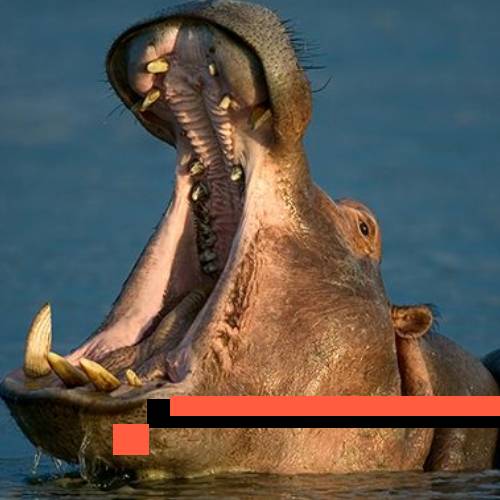
The Hippopotamus occupies rivers, lakes, and wetlands across Southern Africa. Mature bulls measure 11–16 feet long and weigh 3,000–9,000 pounds. Despite a herbivorous diet, it is highly territorial and considered one of Africa’s most dangerous animals. Classified as Vulnerable.
Fun Facts:
Extremely aggressive in water territories.
Can run up to 19 mph on land.
Possess massive tusk-like incisors.
Gestation lasts about eight months.
Honey Badger
Read More
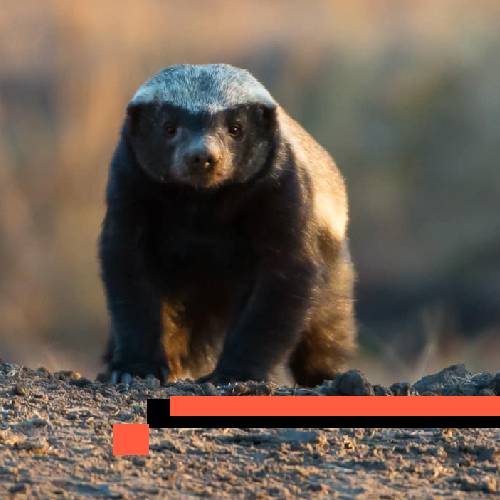
The Honey Badger inhabits savanna, bushveld, and semi-desert regions. It measures 22–30 inches in body length and weighs 15–35 pounds. Recognized for its black-and-white coloration, it is famous for its fearless and aggressive temperament.
Fun Facts:
Known for exceptional toughness and resilience.
Primarily nocturnal but active by day in cooler seasons.
Feeds on insects, reptiles, rodents, and honey.
Has very loose skin allowing defensive maneuvering.
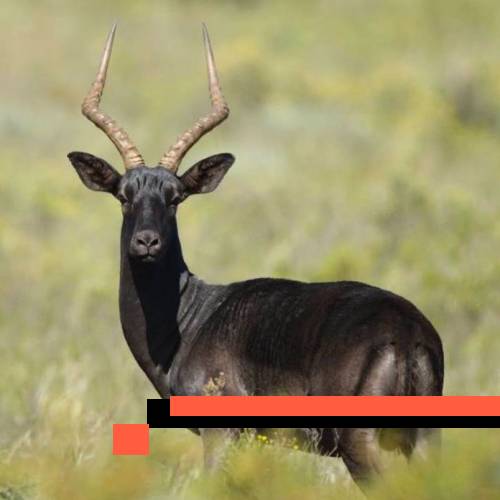
Impala (Black)
Read More
The Black Impala is a melanistic color variant of the common impala, found on managed reserves. It stands about 3 feet at the shoulder and weighs 90–160 pounds. Its dark coat makes it a striking plains game trophy.
Fun Facts:
Selectively bred color variant.
Rams carry lyre-shaped horns averaging 18–22 inches.
Prefer savanna and bushveld habitats.
Form bachelor herds outside breeding season.
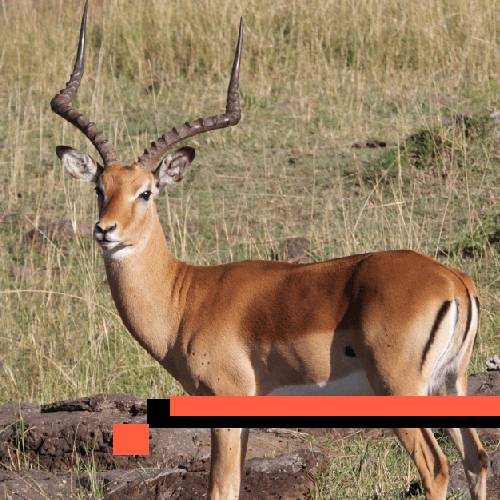
Impala (Common)
Read More
The Common Impala inhabits savanna and bushveld throughout Southern Africa. It stands about 3 feet at the shoulder and weighs 90–160 pounds. Agile and abundant, it is one of Africa’s most popular and widespread plains game species.
Fun Facts:
Exceptional jumpers, clearing 10 feet high.
Large populations across Southern Africa.
Rams defend harems during rut.
Breed seasonally before summer rains.
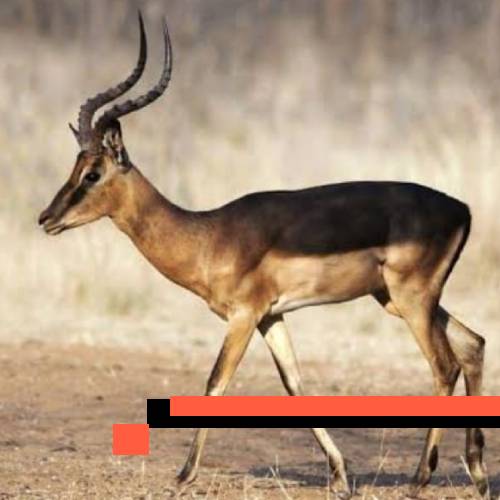
Impala (Saddleback)
Read More
The Saddleback Impala is a rare color variant distinguished by a darker “saddle” marking. Similar in size to the common impala, it stands around 3 feet tall and weighs 90–160 pounds, maintained on select private reserves.
Fun Facts:
Selectively bred genetic variation.
Horn structure identical to common impala.
Thrive in managed bushveld areas.
Social herd structure mirrors common impala.
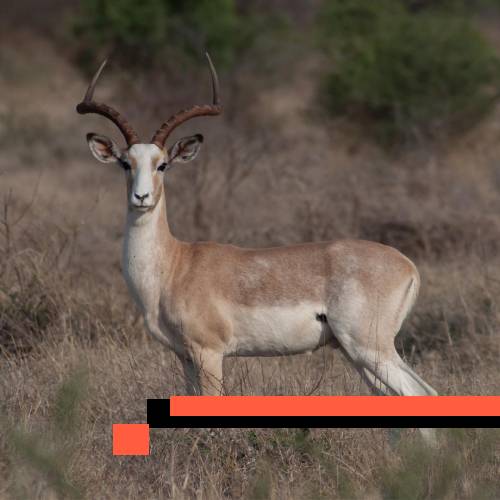
Impala (White Flank)
Read More
The White Flank Impala is a distinctive color mutation of the common impala. It maintains the same size and build, standing about 3 feet at the shoulder and weighing 90–160 pounds, with unique pale flank markings.
Fun Facts:
Rare and highly sought-after variant.
Managed within private wildlife programs.
Rams carry classic lyre-shaped horns.
Highly agile and alert.
Jackal
Read More
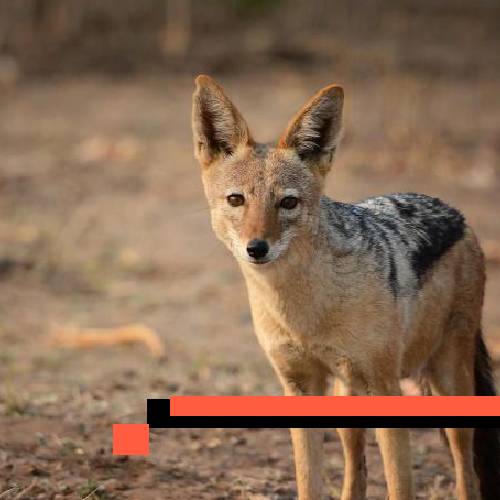
The Black-Backed Jackal inhabits open plains, bushveld, and semi-arid regions. It measures 2–3 feet in body length and weighs 15–30 pounds. Recognized by its black saddle marking, it is an intelligent and adaptable predator and scavenger.
Fun Facts:
Often hunts in pairs.
Highly vocal, especially at night.
Feeds on small antelope, rodents, and carrion.
Maintains strong territorial boundaries.
Klipspringer
Read More
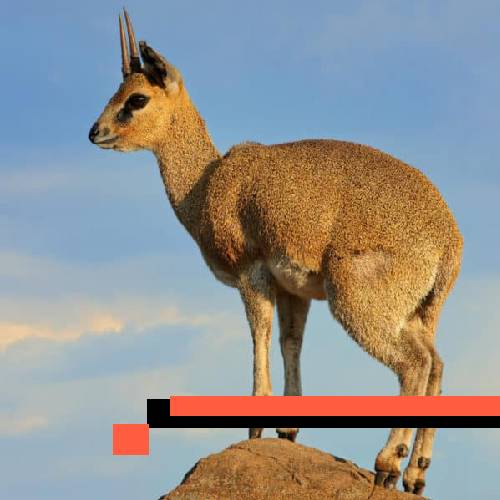
The Klipspringer is a small antelope adapted to rocky outcrops and mountainous terrain. It stands 17–24 inches at the shoulder and weighs 18–40 pounds. Its specialized hooves allow precise balance on steep rock surfaces.
Fun Facts:
Lives in monogamous pairs.
Excellent cliff climbers.
Rams carry short, straight horns.
Extremely vigilant and alert.
Kudu
Read More
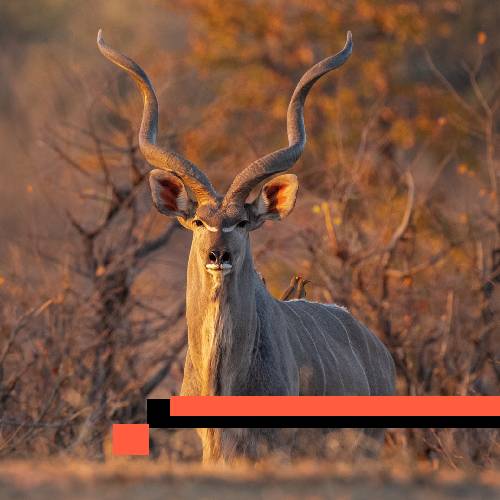
The Greater Kudu inhabits woodland and bushveld terrain. Mature bulls stand 4–5 feet at the shoulder and weigh 500–700 pounds. Known for their majestic spiral horns, they are among the most sought-after plains game species in Southern Africa.
Fun Facts:
Horns can exceed 50 inches in exceptional bulls.
Prefer thick cover and broken terrain.
Primarily browsers.
Bulls become solitary as they mature.
Lechwe
Read More
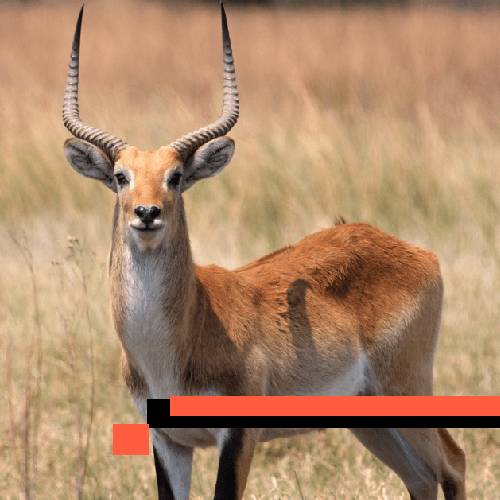
The Lechwe inhabits wetlands and floodplains. It stands about 3–4 feet at the shoulder and weighs 150–260 pounds. Adapted to marshy environments, it is a semi-aquatic antelope with elongated hooves.
Fun Facts:
Prefers shallow water habitats.
Strong populations in protected wetland systems.
Rams carry curved horns.
Excellent swimmers.
Lion
Read More
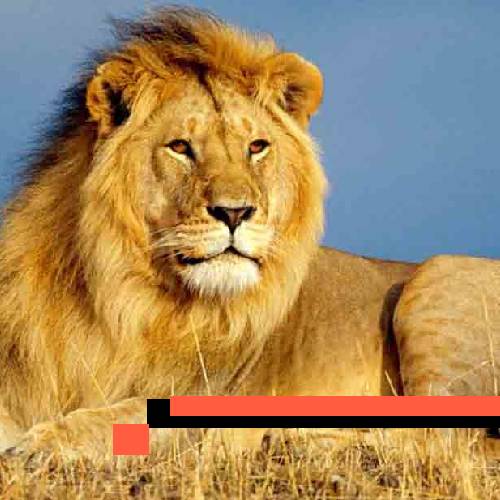
Adult male lions inhabit savanna and bushveld ecosystems. They measure 5.5–8 feet long, stand about 4 feet at the shoulder, and weigh 330–550 pounds. Classified as Vulnerable, they are the dominant apex predator and a premier dangerous game species.
Fun Facts:
Defend territories and pride access aggressively.
Form coalitions with related males.
Exceptional males exceed 550 pounds.
Mane darkens with age and dominance.
Lioness
Read More
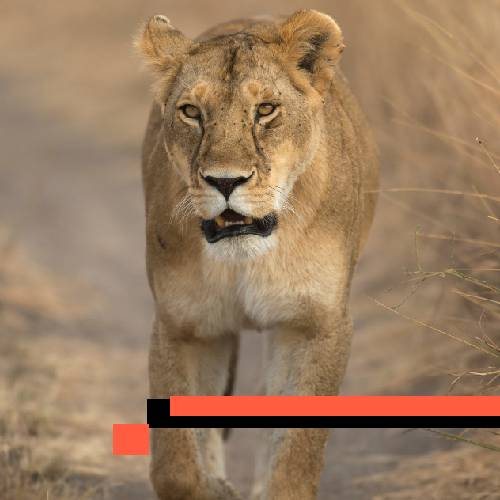
Lionesses are slightly smaller than males, weighing 260–400 pounds. They inhabit the same savanna and bushveld regions and serve as the primary hunters within a pride structure.
Fun Facts:
Hunt cooperatively in coordinated groups.
Highly strategic predators.
Gestation lasts about 110 days.
Raise cubs communally within the pride.
Monkey (Vervet)
Read More
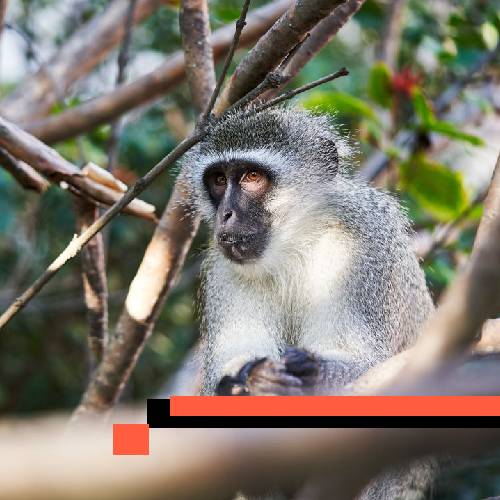
The Vervet Monkey occupies woodland, riverine areas, and savannas. Adults measure 16–24 inches in body length and weigh 8–18 pounds. Recognized by their grey coat and black face, they are intelligent and highly adaptable primates.
Fun Facts:
Live in structured social troops.
Highly vocal with distinct alarm calls.
Omnivorous diet.
Thrive near water sources.
Mountain Reedbuck
Read More
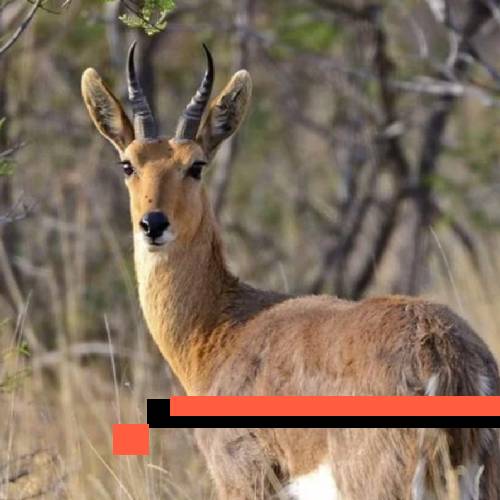
The Mountain Reedbuck inhabits mountainous grasslands and rocky slopes. It stands about 2–2.5 feet at the shoulder and weighs 45–65 pounds. It prefers high-altitude terrain with good visibility.
Fun Facts:
Rams carry short, forward-curving horns.
Typically seen in small groups.
Excellent at navigating steep terrain.
Most active during cooler hours.
Nyala
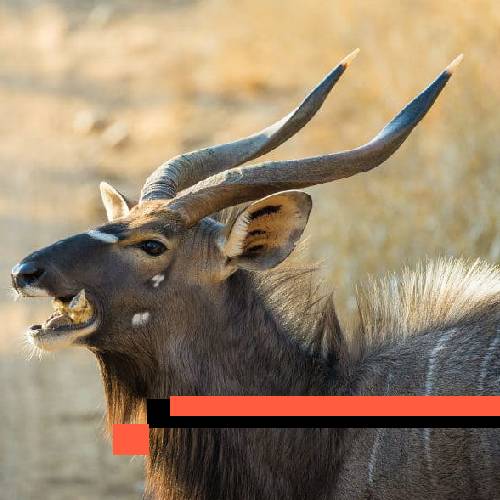
Read More
The Nyala inhabits dense bush and riverine woodland. Bulls stand 3.5–4 feet at the shoulder and weigh 220–300 pounds. Known for their striking striped coats and spiral horns, they are considered one of the most beautiful antelope species.
Fun Facts:
Bulls darken significantly with age.
Prefer thick cover near water.
Primarily browsers.
Gestation lasts about seven months.
Ostrich
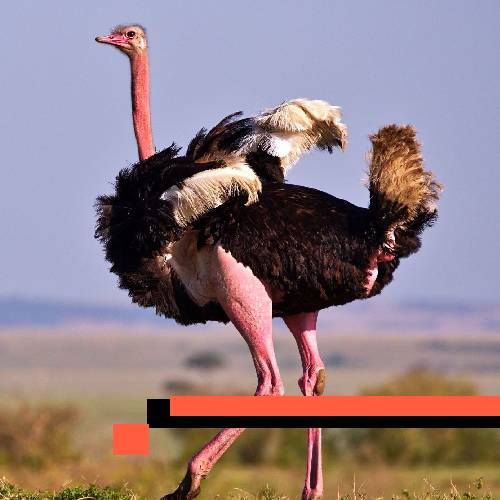
Read More
The Ostrich inhabits open plains and savannas. Males stand 7–9 feet tall and weigh 220–350 pounds. As the world’s largest bird, it is flightless but capable of running at high speeds.
Fun Facts:
Can reach speeds up to 45 mph.
Lay the largest eggs of any bird species.
Strong legs deliver powerful kicks.
Males display black and white plumage.
Porcupine
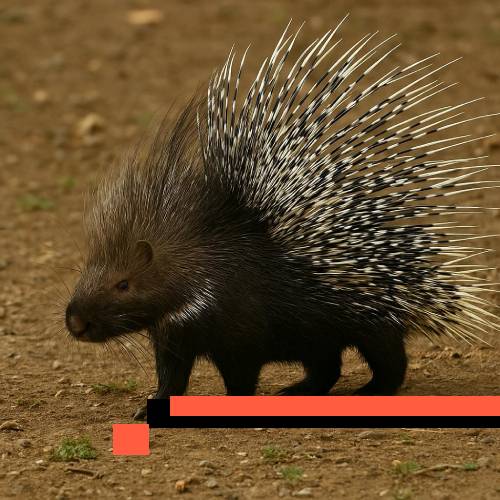
Read More
The Cape Porcupine inhabits woodland, savanna, and rocky areas. It measures 2–3 feet in body length and weighs 25–65 pounds. It is Africa’s largest rodent and is recognized by its long defensive quills.
Fun Facts:
Nocturnal and primarily herbivorous.
Quills can exceed 12 inches long.
Uses quills defensively when threatened.
Lives in burrow systems.
Red Hartebeest
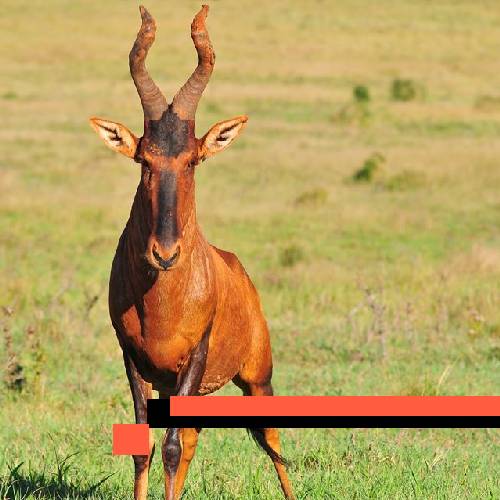
Read More
The Red Hartebeest inhabits open grasslands and savannas. It stands 4–5 feet at the shoulder and weighs 260–400 pounds. Recognized by its elongated face and uniquely shaped horns.
Fun Facts:
Adapted to arid conditions.
Strong runner over long distances.
Horns curve forward and upward.
Forms structured herds.
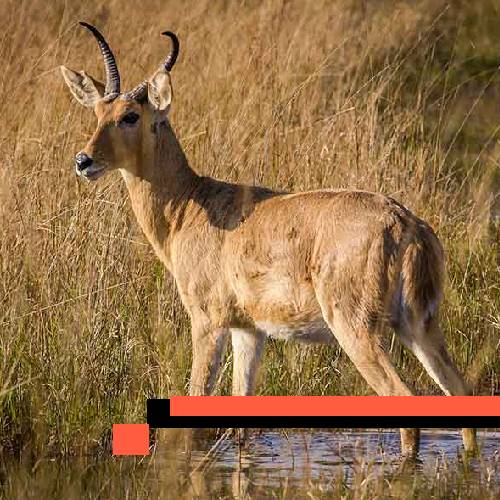
Common Reedbuck
Read More
The Common Reedbuck inhabits moist grasslands near water. It stands 2.5–3 feet at the shoulder and weighs 75–150 pounds. It prefers tall grass cover for concealment.
Fun Facts:
Rams carry short, forward-curving horns.
Primarily grazers.
Usually seen in small groups.
Highly alert and cautious.
Rhino
Read More
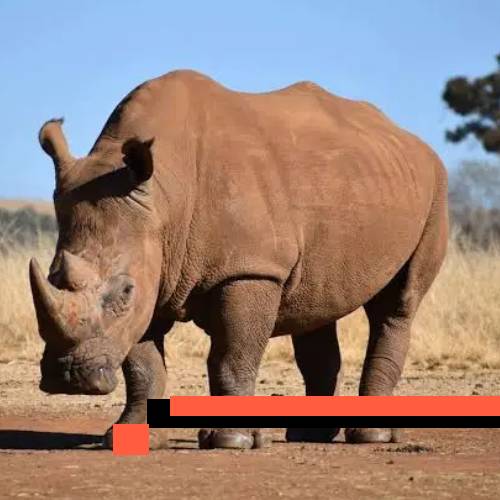
Southern Africa hosts both White and Black Rhinoceros. Adults stand 4.5–6 feet at the shoulder and weigh 1,800–5,000 pounds. Both species face severe poaching threats and are classified as threatened, yet South Africa maintains the largest remaining populations globally.
Fun Facts:
White rhinos graze; black rhinos browse.
Horns consist of compressed keratin.
Gestation lasts approximately 15–16 months.
Calves remain with mothers for several years.
Roan
Read More
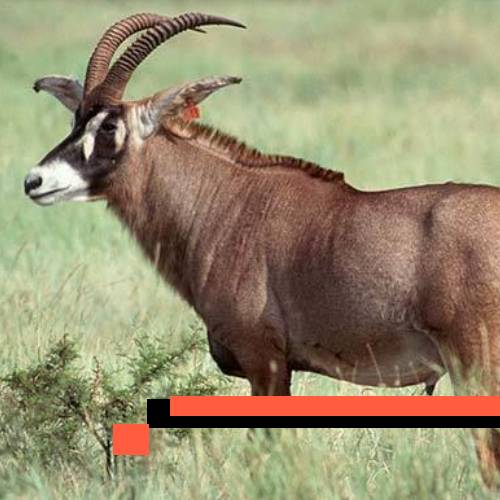
The Roan Antelope inhabits savanna woodland and lightly wooded grasslands. It stands 4.5–5 feet at the shoulder and weighs 500–700 pounds. Recognized by its striking facial mask and backward-curving horns, it is one of Africa’s most impressive and sought-after antelope species.
Fun Facts:
Both males and females carry ringed horns up to 30–40 inches.
Prefer open woodland with good grazing.
Known for aggressive defense against predators.
Calves are hidden in tall grass shortly after birth.
Sable
Read More
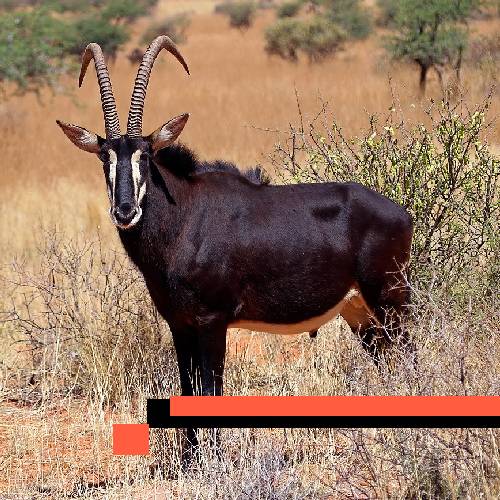
The Sable Antelope inhabits woodland savannas and riverine bushveld. Bulls stand 4–5 feet at the shoulder and weigh 500–600 pounds. With jet-black coats and dramatic scimitar-shaped horns, mature bulls are considered one of Africa’s most prestigious plains game trophies.
Fun Facts:
Bulls develop darker coats with age and dominance.
Horns can exceed 40 inches in exceptional specimens.
Highly territorial during breeding season.
Strong populations exist on managed reserves.
Serval
Read More
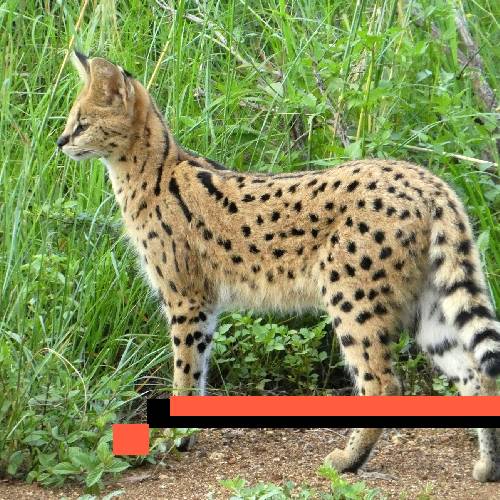
The Serval is a medium-sized wild cat found in grasslands and wetlands. It stands 21–24 inches at the shoulder and weighs 20–40 pounds. Known for its long legs and large ears, it is exceptionally adapted for hunting in tall grass.
Fun Facts:
Capable of vertical leaps exceeding 8 feet.
Primarily nocturnal and solitary.
Feeds heavily on rodents and birds.
Uses acute hearing to locate prey underground.
Springbuck (Black)
Read More
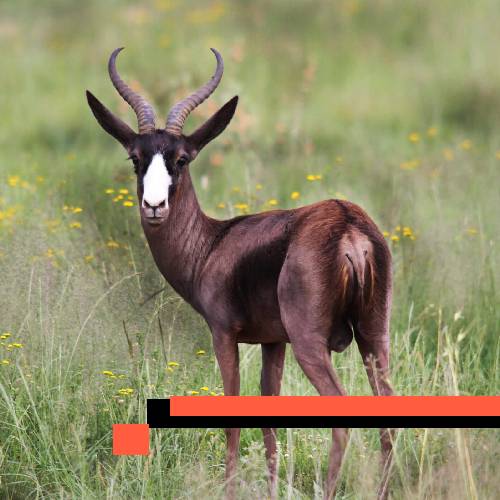
The Black Springbuck is a melanistic color variant of the common springbuck. It stands about 2.5–3 feet at the shoulder and weighs 60–110 pounds. Its dark coat contrasts sharply with white facial markings.
Fun Facts:
Selectively bred color variation.
Rams carry lyre-shaped horns.
Highly agile and fast runners.
Thrive in semi-arid plains.
Springbuck (Common)
Read More
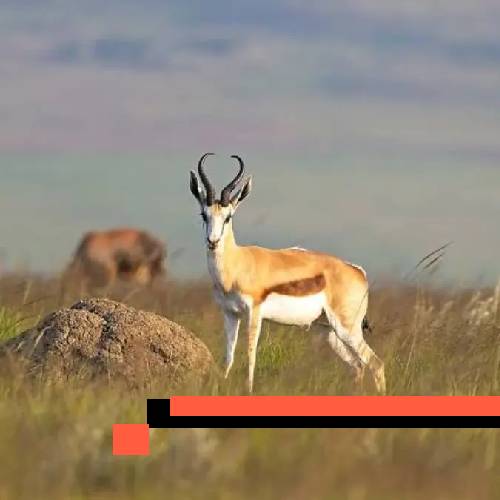
The Common Springbuck inhabits open plains and semi-desert regions. It stands 2.5–3 feet at the shoulder and weighs 60–110 pounds. Known for its distinctive side stripe and pronking behavior, it is one of Southern Africa’s most iconic plains game species.
Fun Facts:
Can reach speeds over 50 mph.
Performs high vertical “pronking” leaps.
Rams defend territories during rut.
Highly adapted to arid environments.
Springbuck (Copper)
Read More
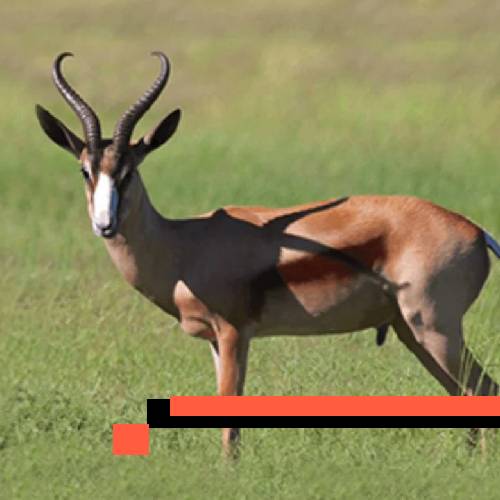
The Copper Springbuck is a rich reddish-brown color variant of the common species. Similar in size at 2.5–3 feet tall and 60–110 pounds, it is maintained on select reserves for its distinctive coloration.
Fun Facts:
Genetically selected color phase.
Horn structure mirrors common springbuck.
Highly alert and vigilant.
Well adapted to dry savannas.
Springbuck (White)
Read More
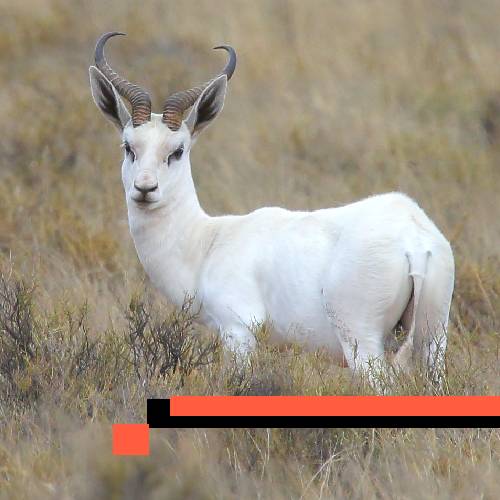
The White Springbuck is a pale color variant of the common springbuck. Standing 2.5–3 feet at the shoulder and weighing 60–110 pounds, it is prized for its unique appearance and managed within private wildlife programs.
Fun Facts:
Rare recessive color mutation.
Rams carry lyre-shaped horns.
Fast and agile in open terrain.
Forms small herds outside rut.
Steenbuck
Read More
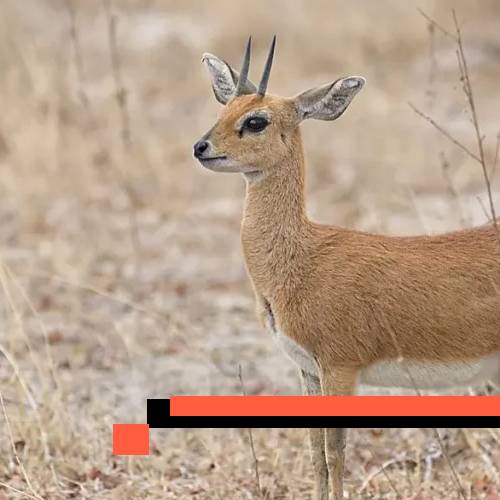
The Steenbuck is a small antelope inhabiting savanna and grassland. It stands 18–24 inches at the shoulder and weighs 20–35 pounds. Compact and alert, it prefers areas with scattered cover.
Fun Facts:
Usually seen alone or in pairs.
Rams carry short, straight horns.
Extremely quick and evasive.
Primarily nocturnal or crepuscular.
Tsessebe
Read More
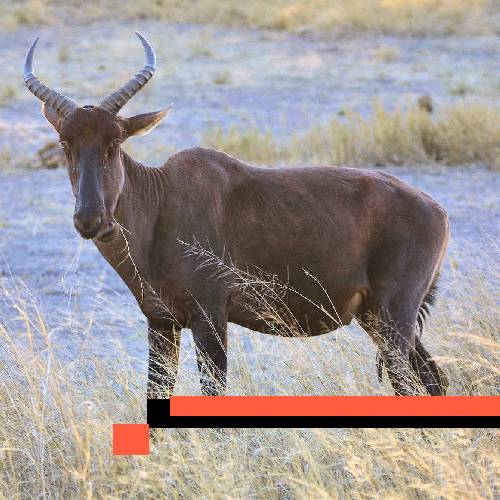
The Tsessebe inhabits open savannas and lightly wooded plains. It stands 4–5 feet at the shoulder and weighs 300–450 pounds. Built for speed and endurance, it is one of the fastest antelope species in Africa.
Fun Facts:
Can sustain high speeds over distance.
Horns curve forward in a distinctive shape.
Forms herds in open terrain.
Adapted to seasonal grazing patterns.
Warthog
Read More
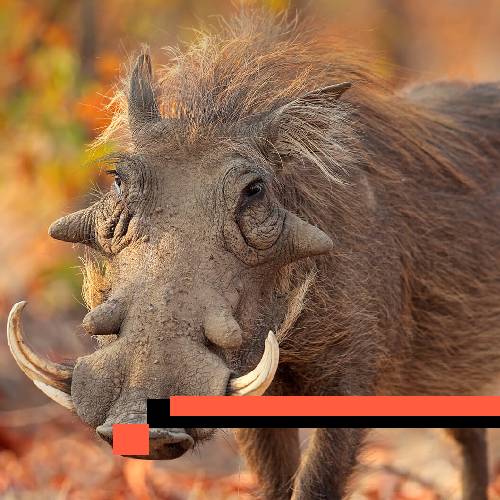
The Warthog inhabits savanna, grassland, and woodland areas. Adults measure 3–5 feet long and weigh 120–250 pounds. Recognized by facial “warts” and upward-curving tusks, it is a resilient and widely distributed plains game species.
Fun Facts:
Often kneels while grazing.
Uses abandoned burrows for shelter.
Boars develop larger tusks than sows.
Can run with tails raised vertically.
Waterbuck
Read More
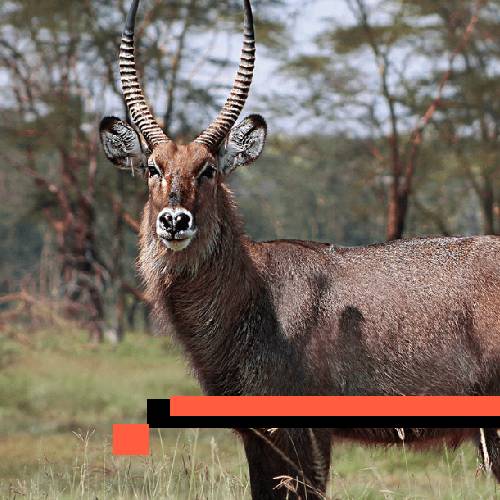
The Waterbuck inhabits riverine woodland and savanna near permanent water sources. Bulls stand 4–4.5 feet at the shoulder and weigh 450–600 pounds. Known for their shaggy coat and distinctive white rump ring.
Fun Facts:
Prefer habitat close to water.
Bulls carry long, ridged horns.
Emit an oily secretion that repels parasites.
Form small territorial groups.
Wildebeest (Black)
Read More
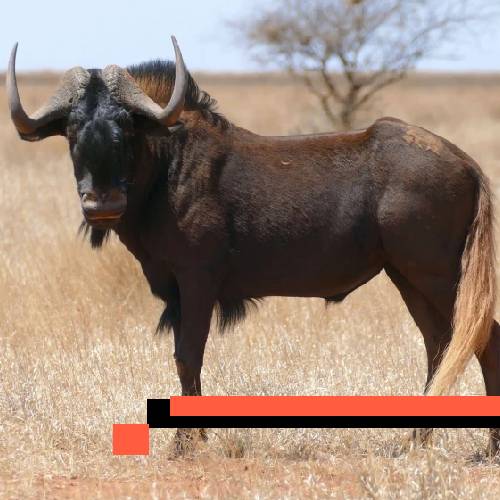
The Black Wildebeest inhabits open grasslands and plains. It stands 3.5–4 feet at the shoulder and weighs 250–400 pounds. Recognized by its dark coat and distinctive white tail.
Fun Facts:
Native to South Africa’s Highveld.
Rams defend territories during rut.
Fast and agile runners.
Form herds in open terrain.
Wildebeest (Blue)
Read More
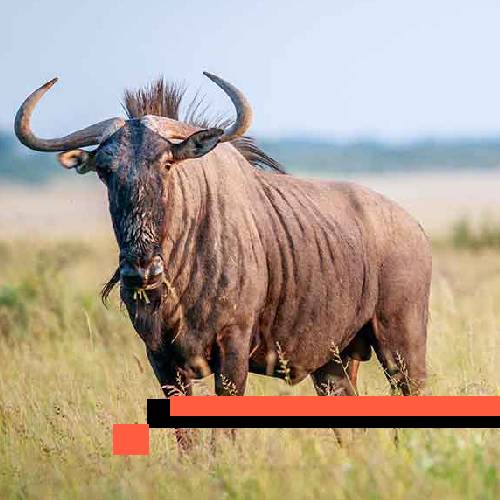
The Blue Wildebeest inhabits savannas and grasslands. It stands 4–4.5 feet at the shoulder and weighs 400–600 pounds. Recognized by its sloping back and beard, it is one of Africa’s most abundant large antelope.
Fun Facts:
Known for large migratory movements in some regions.
Both sexes carry curved horns.
Strong herd instinct for protection.
Calves can stand within minutes of birth.
Wildebeest (Gold)
Read More
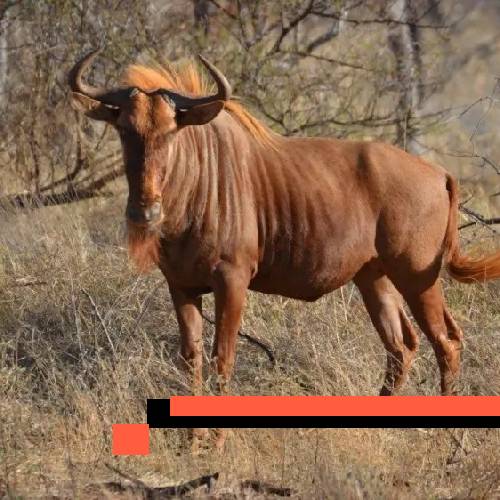
The Gold Wildebeest is a selectively bred color variant of the blue wildebeest. Similar in size at 4–4.5 feet tall and 400–600 pounds, it is prized for its lighter golden coat.
Fun Facts:
Managed on private reserves.
Horn structure mirrors blue wildebeest.
Maintains strong herd behavior.
Adapted to open savanna terrain.
Wildebeest (King)
Read More
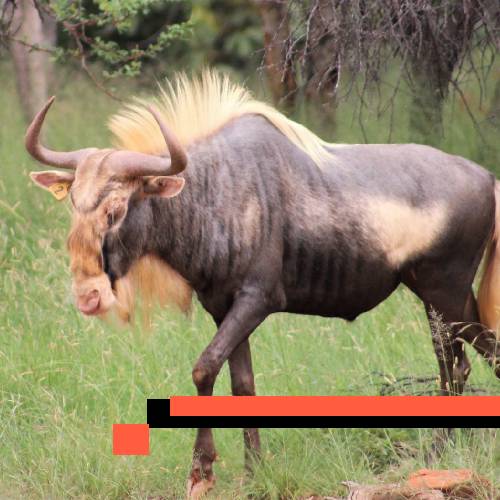
The King Wildebeest is a rare color mutation of the blue wildebeest, distinguished by unique coat patterning. It stands 4–4.5 feet at the shoulder and weighs 400–600 pounds.
Fun Facts:
Rare genetic variation.
Maintained through selective breeding programs.
Strong territorial instincts in bulls.
Thrive in open plains habitats.
Zebra
Read More
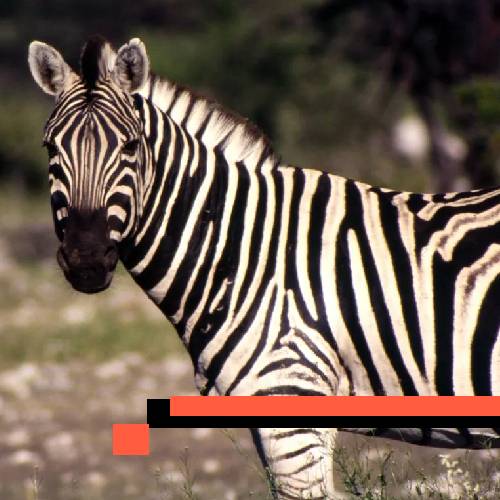
The Plains Zebra inhabits savannas and open grasslands. Adults stand 4–5 feet at the shoulder and weigh 500–900 pounds. Recognized for its distinctive black-and-white striping, it is a hardy and highly adaptable plains species.
Fun Facts:
Each individual has a unique stripe pattern.
Live in family harems led by a stallion.
Strong herd defensive behavior.
Capable of running up to 40 mph.